地点:International Plaza (Tanjong Pagar MRT)

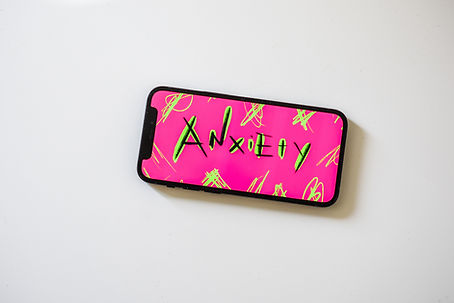
Therapy for Anxiety, Emotional Overwhelm & Nervous System Dysregulation in Singapore
Anxiety is not always experienced as obvious panic or worry. Sometimes it looks like overthinking, irritability, restlessness, difficulty switching off, emotional exhaustion, shutdown, a constant need to stay in control, or a body that seems to react before your mind has caught up.
You may understand logically that a situation is manageable, yet your nervous system responds as though something is wrong. Small changes in tone, uncertainty, conflict, deadlines, silence from someone important, or feeling out of control can create a level of distress that seems disproportionate to the situation.
At The Conscious Mind Psychotherapy, we look beyond the question “How do I stop feeling anxious?” and explore what your anxiety may be trying to protect you from. Therapy can support regulation while also examining the emotional, developmental and relational patterns that keep the nervous system on alert.
How anxiety and nervous system dysregulation can show up
-
Constant overthinking, mental rehearsal or difficulty switching your mind off.
-
Feeling tense, restless, wired, on edge or unable to settle even when nothing is obviously wrong.
-
Becoming emotionally overwhelmed quickly during conflict, uncertainty or interpersonal stress.
-
Shutting down, going blank or feeling numb when emotions become intense.
-
Strong sensitivity to changes in another person's tone, mood or availability.
-
Needing to plan, control or predict in order to feel safe.
-
Physical symptoms such as tightness, racing heart, shallow breathing, stomach discomfort or fatigue.
-
Difficulty sleeping because your mind or body remains alert.
-
Irritability, impatience or sudden emotional reactions that feel hard to understand afterward.
-
A cycle of pushing through stress until you crash, withdraw or become depleted.
-
Feeling calm only when everything is resolved, certain or under control.
-
Knowing what coping strategies are supposed to help, but struggling to access them when activated.
Why the nervous system can become stuck in protection
The nervous system is designed to notice threat and mobilise protection. That is useful when danger is real. But when the system has learned to anticipate rejection, criticism, unpredictability, conflict or loss of control, it can begin responding to ordinary stress as though the stakes are much higher.
For some people, this pattern is linked to chronic stress. For others, it may be connected to developmental trauma, attachment insecurity, perfectionism, family dynamics or periods of prolonged emotional strain.
Rather than treating your reactions as irrational, therapy can help you understand the protective logic underneath them. When you know what the system is anticipating, it becomes easier to build new responses.
How we work with anxiety and emotional regulation
Therapy may include identifying triggers, recognising early signs of activation, increasing emotional awareness, strengthening grounding and regulation, and exploring the beliefs and relational patterns that intensify distress.
At The Conscious Mind, the work is integrative and trauma-informed. Depending on your needs, therapy may draw from emotion-focused, relational, psychodynamic, schema, cognitive, narrative, person-centred and Gestalt-informed approaches.
We are interested not only in reducing distress, but also in helping you develop a different relationship with uncertainty, emotion, need, conflict and vulnerability.

Individual psychotherapy
Individual psychotherapy provides a space to work with both the immediate experience of anxiety and the deeper patterns that may be sustaining it. Sessions can focus on present-day functioning while also exploring developmental and relational roots where relevant.
Individual psychotherapy provides a space to work with both the immediate experience of anxiety and the deeper patterns that may be sustaining it. Sessions can focus on present-day functioning while also exploring developmental and relational roots where relevant.
Frequently asked questions
Is nervous system dysregulation a diagnosis?
No. It is a broad descriptive term used to talk about difficulty returning to a manageable emotional and physiological state after stress or activation.
Do I need to have an anxiety disorder to start therapy?
No. You can seek support for persistent worry, overwhelm, tension, avoidance, shutdown or emotional reactivity without having a formal diagnosis.
Why do I feel anxious even when nothing is wrong?
The nervous system can respond to learned cues, uncertainty or relational signals before conscious reasoning catches up. Therapy can help identify these patterns and develop new responses.
Can anxiety be connected to childhood experiences?
For some people, yes. Repeated unpredictability, criticism, emotional neglect or lack of safety can contribute to heightened vigilance. Anxiety can also have many other causes, so therapy looks at your individual context.
Ready to begin?
You do not need to have the perfect words or a complete explanation of your past before reaching out. We can begin with what is happening in your life now and work from there.
Clinical note: Website information is educational and is not a diagnosis or a substitute for emergency or medical care. If you are in immediate danger or experiencing a mental-health emergency, contact the appropriate emergency or crisis service in your location.